
Renal DIALYSIS AT HOME
Safe, Professional Renal Care – Right Where You Live
At CRAUSE MM INCORPORATED, we bring hospital-level kidney care into your home. As a registered specialist Nursing company, we are dedicated to improving your quality of life through expert Peritoneal Dialysis (PD) and Heamodialysis support.

What is Peritoneal Dialysis?
Peritoneal Dialysis is a type of home-based treatment for patients with chronic kidney disease (CKD). It uses a cleansing fluid and your abdominal lining (peritoneum) to filter waste from your blood. It’s a gentler, more flexible alternative to traditional hemodialysis — and with our help, it’s now easier and safer than ever to do it at home.
CAPD – Continuous Ambulatory Peritoneal Dialysis
-
This is a manual form of peritoneal dialysis.
-
Patients perform fluid exchanges by hand, typically 4–5 times a day.
-
No machine is needed.
-
Each exchange takes about 30–40 minutes.
-
It's done while awake and allows for more flexibility during nighttime.
APD – Automated Peritoneal Dialysis
-
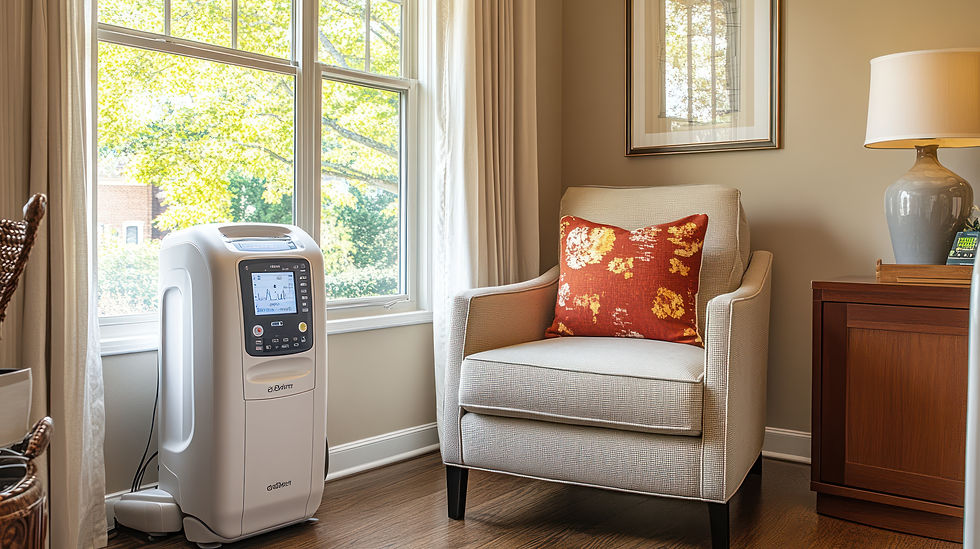
This uses a machine (cycler) to perform the fluid exchanges.
-
It's usually done overnight while you sleep, making it more convenient for many people.
-
The machine automatically fills and drains the dialysis fluid on a set schedule.
-
It’s ideal for patients who prefer fewer interruptions during the day.
Both methods are equally effective — the choice depends on your medical needs, lifestyle, and personal preferences (often discussed with your nephrologist and dialysis team).
What’s the Difference Between Hemodialysis and Peritoneal Dialysis?
Both Hemodialysis (HD) and peritoneal dialysis (PD) are treatments for kidney failure—they help remove waste, toxins, and excess fluid from the body when the kidneys can no longer do so.
Here’s how they differ:
Hemodialysis (HD)
-
How it works:
Blood is removed from your body, filtered through a dialysis machine (called a dialyzer), and then returned to your bloodstream. -
Where it's done:
Usually at a dialysis clinic or hospital, but it can be done at home with the right setup and training. -
Frequency:
Typically 3 times a week, with each session lasting about 3–5 hours. -
Involves:
A vascular access point (usually in the arm) where needles are inserted to connect to the machine. -
Key benefit:
Fast and effective at removing waste in shorter sessions.
Peritoneal Dialysis (PD)
-
How it works:
A cleansing fluid is introduced into your abdomen through a catheter. The lining of your abdomen (the peritoneum) acts as a natural filter to remove waste. The fluid is later drained and replaced. -
Where it's done:
Almost always done at home, often overnight or several times a day. -
Frequency:
Daily—either manually throughout the day (CAPD) or using a machine at night (APD). -
Involves:
A permanent catheter placed in your abdominal cavity. -
Key benefit:
More flexibility and independence; can be easier to travel with.


Why Choose Us for Home-Based PD?
-
Specialist Renal Nursing Care
All treatments and education are delivered by Registered Nurses with advanced renal care training, ensuring the highest standards of safety and professionalism.
-
Advanced Dialysis Technology
We use the latest Peritoneal Dialysis machines from leading renal suppliers in the country — offering reliable, modern equipment tailored to your treatment plan (CAPD or APD).
-
Technical Support Included
We provide an expert renal technician to install, maintain, and service all equipment, so you can focus on your health with confidence.
-
Personalised Training & Support
We teach you and your caregivers how to safely manage dialysis at home — including fluid exchanges, catheter care, hygiene protocols, and emergency steps.
-
24/7 Nurse Support
Our renal nurses are always just a phone call away. We provide round-the-clock assistance for questions or emergencies.
-
Flexible Scheduling
Dialysis fits your life — not the other way around. We tailor treatment times around your daily routine, including night-time options with APD.
-
Regular Monitoring & Updates
We work closely with your nephrologist and renal unit, keeping your care team informed and involved at every stage.
-
Remote Monitoring: We use secure technology to track treatment sessions and health indicators in real time.
-
Regular Checkups: Monthly reviews by your nephrologist and care team, either at home or via telehealth
-
Emergency Protocols: Fast response plans in place for any medical concerns.
-
Who Is This Service For?
Patients with CKD who are clinically eligible for Peritoneal Dialysis and prefer home treatment. A nephrologist will determine if this option is suitable for your condition and lifestyle.
What Our Service Delivers:
-
Full clinical assessment & care planning
-
Setup of machines and supplies
-
Professional nurse-led training
-
Routine follow-ups & home visits
-
Close collaboration with your doctor
Getting Started
Interested in home dialysis? Here’s how to begin:
-
Referral: Your nephrologist or primary doctor can refer you.
-
Assessment: We evaluate your health, home environment, and preferences.
-
Setup & Training: Our team will install equipment and start your personalized training.
Support: We administrate authorisation from your medical aid and answer all your questions
